
Creating a great catering kitchen design
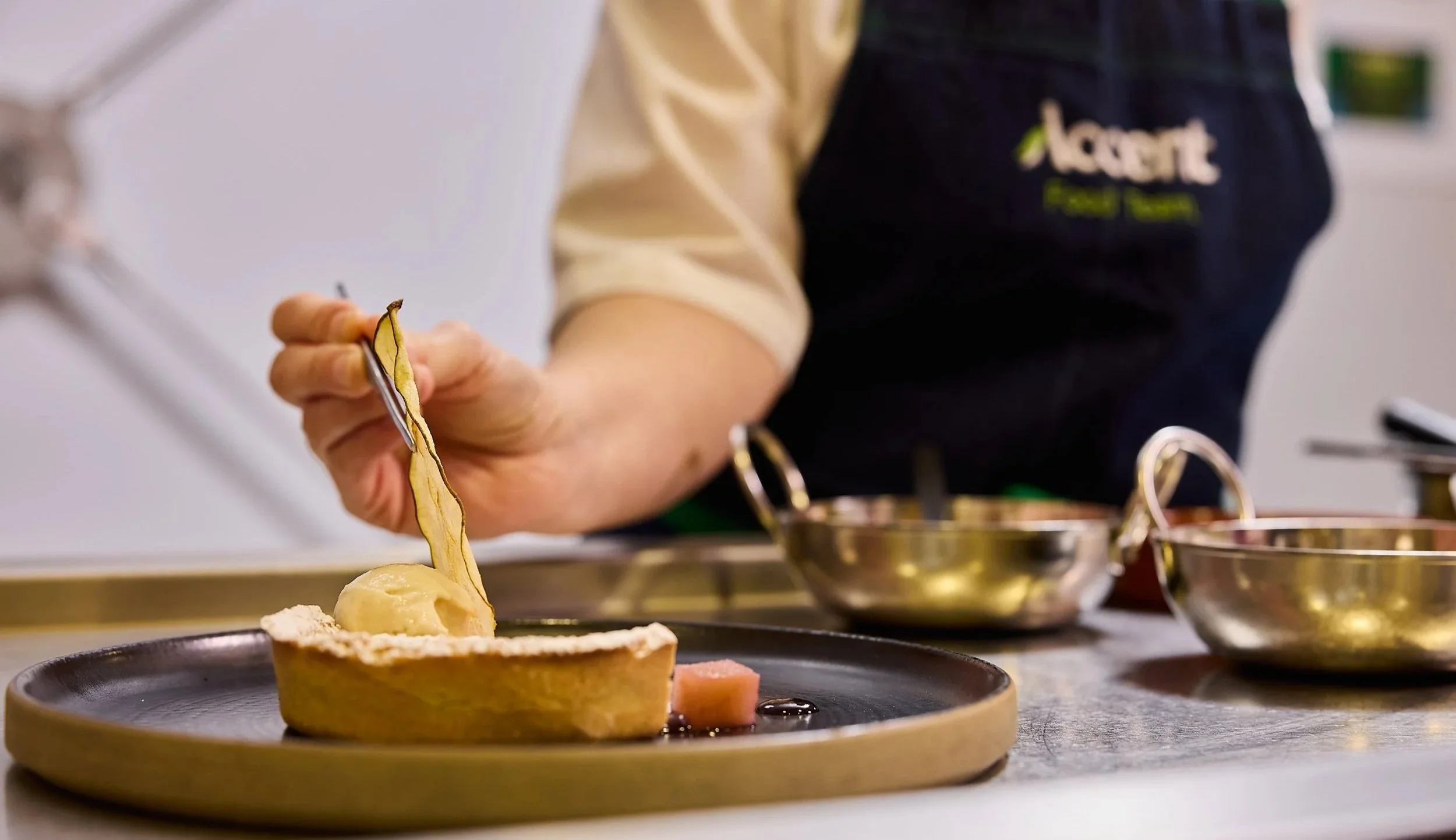
A successful catering kitchen should be designed as a production system, not simply a room filled with equipment. The layout should support food safety, efficiency, staff comfort and future growth.
1. Start with the food offer
Before designing the room, establish the following:
Menu and preparation methods
Daily volume and peak meals per hour
Service style: plated, buffet, counter, delivery or grab-and-go
Staffing levels and roles
Storage and delivery requirements
Future growth and budget
Design for peak demand, not average demand.
2. Design the food journey
The ideal flow is:
Delivery → Storage → Preparation → Cooking → Finishing → Service → Wash-up → Waste
Keep raw and ready-to-eat food, clean and dirty equipment, deliveries and waste properly separated wherever possible. A good layout should minimise unnecessary movement and make safe working the easiest option.
3. Create clear zones
Organise the kitchen into logical areas:
Goods-in | Storage | Preparation | Cooking | Finishing | Service | Wash-up | Waste
Each area should have a clear purpose and logical relationship with the next stage of production.
4. Size equipment for peak capacity
Don't simply ask "how many ovens do we need?" Instead, ask "how many portions must we produce during the busiest period?"
Work backwards:
Peak Portions → Batch Size → Cooking Cycles → Equipment Capacity
Apply the same principle to refrigeration, freezers, hot holding, preparation areas and dishwashers. Choose equipment because it solves a genuine operational need, not simply because it is advanced or impressive.
5. Design the cooking line as one system
The ideal sequence is:
Preparation → Cooking → Landing → Holding → Finishing → Pass
Place related equipment and ingredients together so chefs can work efficiently without repeatedly crossing the kitchen. Keep frequently used ingredients, utensils, pans, refrigeration and plates close to their point of use. Reducing unnecessary steps improves speed, productivity and staff comfort.
6. Make food safety a priority and design for cleaning
Choose durable, hygienic and easy-to-clean surfaces and equipment. Plan drainage, floor falls and wastewater routes from the start. Avoid inaccessible spaces, ledges and areas where grease, food debris or standing water can collect.
The design should support HACCP procedures and minimise cross-contamination.
Provide suitable arrangements for:
Raw and ready-to-eat food
Hand washing
Food preparation
Cleaning chemicals
Clean and dirty equipment
Waste
Refer to Food Standards Agency Food Hygiene Guidance for UK requirements and good practice.
7. Get the ventilation right
Ventilation must control heat, cooking fumes, grease and air quality, not simply remove smells.
Consider canopy position, extraction capacity, replacement air, noise, cleaning and maintenance. The system should be designed around the actual cooking equipment and load.
For UK workplace guidance, refer to HSE Catering Guidance.
8. Consider staff, wash-up and future maintenance
Good kitchen design should minimise bending, stretching, heavy lifting and unnecessary carrying.
The wash-up flow should be:
Return → Scrape → Pre-rinse → Wash → Dry → Clean storage
Keep dirty equipment away from clean storage and provide efficient waste routes.
Finally, allow engineers access to equipment, filters, refrigeration, drains and services. Build in sensible spare capacity so the kitchen can adapt as the business grows.
The 10 Golden Rules
Start with the menu and service proposition.
Design the flow before selecting equipment.
Design for peak demand.
Keep frequently used items close to the point of use.
Separate raw, clean, finished and dirty flows.
Make cleaning and maintenance easy.
Design ventilation around the cooking system.
Prioritise staff safety and ergonomics.
Allow for future growth and flexibility.
Judge decisions by whole-life value, not just installation cost.
A great catering kitchen makes the right way of working feel simple, safe and efficient.